Before the Beep: How Your Breakfast Routine Shapes Your Morning Blood Pressure Number
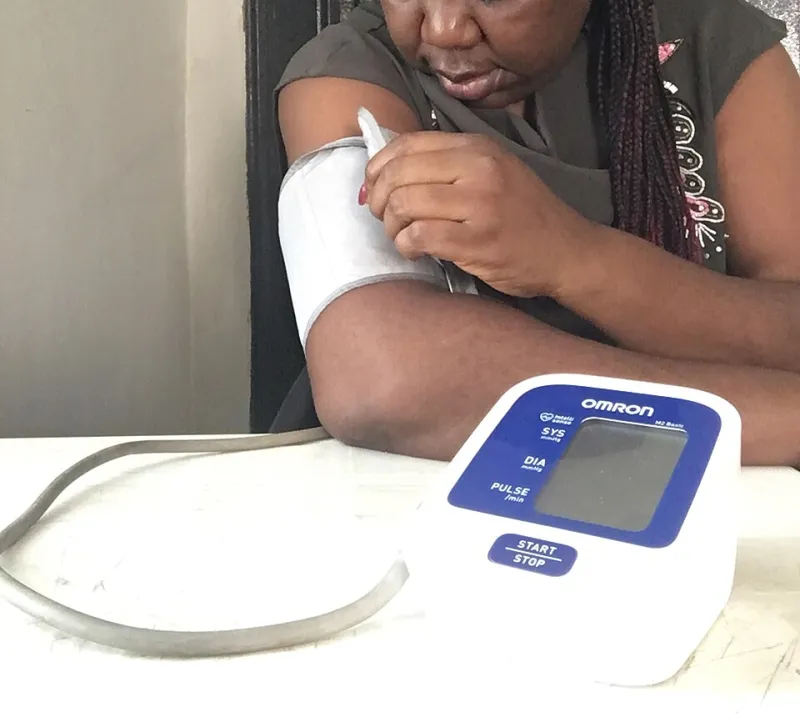
Photo: Beendy234, CC0, via Wikimedia Commons
The kettle goes on, the cuff goes on
It's a familiar scene in kitchens across the UK. You shuffle downstairs, flick the kettle on, maybe drop a tea bag into a mug, and then remember the blood pressure monitor is sitting on the side. You strap it on while the water boils, press the button, and watch the numbers climb. If the reading looks higher than usual, the first thought is often panic. The second thought is usually about the tea.
The truth is less dramatic and more useful: your morning brew can nudge a reading upwards, but it isn't the only thing going on. The bigger issue is timing. Home blood pressure monitoring is a bit like weighing yourself — the number only means something if you measure under similar conditions each time. A cuppa first and a cuff second is not the same as a cuff first and a cuppa second.
This is not about giving up tea. It's about giving your reading a fair go.
Why the first reading of the day is a fussy thing
Morning is a busy time for your circulation. Blood pressure naturally rises as you wake up, and it can stay higher for a couple of hours. Add a full bladder, a rush to get the kids out the door, a stressful email, or a strong coffee, and you've got a recipe for a reading that looks worse than your average day.
Caffeine is one of the usual suspects. Tea, coffee, energy drinks and even some fizzy drinks can cause a temporary rise in blood pressure. For most people, the effect is small and short-lived, but it can be enough to turn a normal reading into a 'what on earth was that?' reading. The same goes for nicotine, exercise, and the stress of a rushed breakfast.
None of this means home monitoring is pointless. It just means the reading needs a bit of respect.
The 30-minute rule in plain English
You'll often hear about the 30-minute caffeine rule. It's simple: give yourself at least 30 minutes after a caffeinated drink before you take a blood pressure reading. Some guidance suggests longer, but half an hour is a practical starting point for most people.
The same gap applies to smoking, exercise and eating a heavy meal. If you've just climbed the stairs with the laundry basket or had a salty bacon butty, your numbers may not reflect your resting state. The aim is to measure your baseline, not your breakfast.
If you really want tea first thing, there are two sensible options. Either take your reading before the kettle goes on, or have your brew and wait half an hour before measuring. The key is consistency. If you always measure 30 minutes after your first cuppa, at least you're comparing like with like.
A simple morning routine that gives you a cleaner number
A clean reading doesn't need to be complicated. Here's a routine that works for most people:
- Empty your bladder first. A full bladder can add a few points to your reading.
- Sit quietly for five minutes before measuring. No phone scrolling, no news headlines, no arguing about the recycling.
- Sit with your back supported, feet flat on the floor, and your arm resting on a table at roughly heart height.
- Use the right cuff size and put it on your bare upper arm, not over a sleeve.
- Take two readings, one minute apart, and write down the average.
- Measure at roughly the same time each morning, before caffeine if possible.
It's not glamorous, but it's the difference between a number you can trust and a number that just reflects the fact that you ran for the bus.
What about breakfast?
Breakfast matters, but mostly in the background. A very salty breakfast — bacon, sausages, a heavy fry-up — can push blood pressure up over time, and a sugary cereal can send blood sugar on a rollercoaster. But one breakfast is unlikely to explain a single spike unless it was exceptionally salty or you ate it in a hurry while doing three other things.
The bigger issue is the combination of caffeine and rush. A builder's tea, a slice of toast eaten standing up, and a dash out the door is not a resting state. If that's your normal, your monitor is measuring your morning chaos, not your cardiovascular baseline.
The reading diary that tells the truth
One reading is a snapshot. Seven days is a pattern. A simple notebook or phone note is enough. Write down the date, time, the reading, and a few notes: caffeine timing, sleep quality, stress, salt, alcohol, exercise, and whether you measured before or after breakfast.
After a week or two, you'll start to see what moves your numbers. Maybe Monday mornings are always higher because of work stress. Maybe the readings are lower on days you walk to the shop. Maybe the 'spike' was one strong coffee and a rushed morning.
This is how you separate a genuine trend from a one-off cuppa-induced blip. It's also the kind of information your GP will find far more useful than a single reading taken in a panic.
When to stop guessing and talk to someone
Home monitoring is a tool, not a diagnosis. If your readings are consistently high — for example, repeatedly at or above 140/90 — or if you have symptoms like headaches, dizziness or chest pain, speak to your GP or NHS 111. Don't self-diagnose from a single reading, and don't change any prescribed medication without medical advice.
Some readers also explore natural support options such as Glycoforte alongside their home monitoring routine, but the reading comes first. No supplement replaces a clean measurement and a proper conversation with a healthcare professional if your numbers stay high.
The bottom line
Your morning brew isn't the enemy. The enemy is measuring at the wrong moment and then worrying about the result. Give yourself 30 minutes after caffeine, sit still for five, and keep a simple diary. Your cuff and your cup can coexist — they just need a bit of space between them.