The Loft Hatch Workout: What Your Christmas Decoration Haul Says About Your Circulation
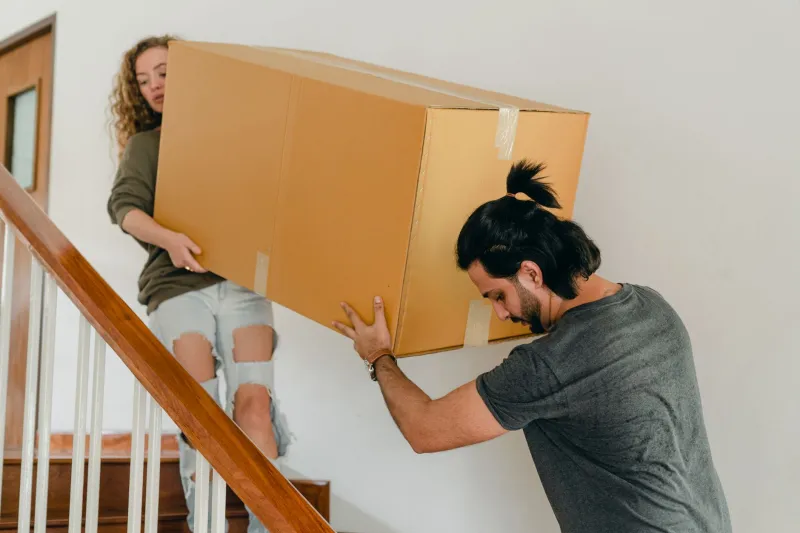
Every December, thousands of UK homes play out the same scene. Someone props a ladder against the loft hatch, climbs up into the cold, fumbles for a torch, and starts hauling down boxes that seemed much lighter when they went up there in January. Ten minutes later, the tree is half assembled, the fairy lights are in a knot, and you are leaning against the bannister wondering why your heart is going like a drum machine.
That moment is easy to laugh off as festive exertion. Often, that is exactly what it is. But it is also a free, real-world snapshot of how your body copes with a sudden burst of effort, a change in posture and a cold environment — three things that can all nudge blood pressure and circulation in noticeable ways. You do not need to turn it into a medical event. You just need to know what is worth noticing.
Why the loft ladder feels harder than it should
Climbing a ladder is not the same as walking up stairs. You are often carrying something awkward, your arms are above your head, your breathing is restricted, and you may be holding your breath without realising it. Add a dusty, unheated loft and a bit of rushing before guests arrive, and it is no wonder your heart rate climbs.
There is also the head rush when you come back down. Changing position quickly — especially after bending or crouching — can make you feel momentarily light-headed. In most people, this settles within seconds. But if it happens repeatedly, or comes with visual disturbance or a feeling that you might faint, it is worth mentioning to a GP rather than filing it under 'Christmas chaos'.
Cold air is another factor. Blood vessels in the skin narrow in the cold, which can push blood pressure up temporarily. That does not mean a chilly loft is dangerous for everyone, but it does help explain why the same box feels heavier in December than it did in July.
The recovery test you are already doing
The useful question is not 'did I get breathless?' — most people do when carrying a heavy box down a ladder. The useful question is 'how long did it take me to feel normal again?'
A simple guide is to sit down for five minutes after the job. If your breathing has settled, your heart rate feels steady and the head rush has passed, that is reassuring. If you are still puffed, dizzy or aware of your heart thumping long after you have stopped, make a note of it. Repeat the same sort of task another day and see whether the pattern repeats. A one-off is rarely meaningful; a consistent pattern is worth discussing.
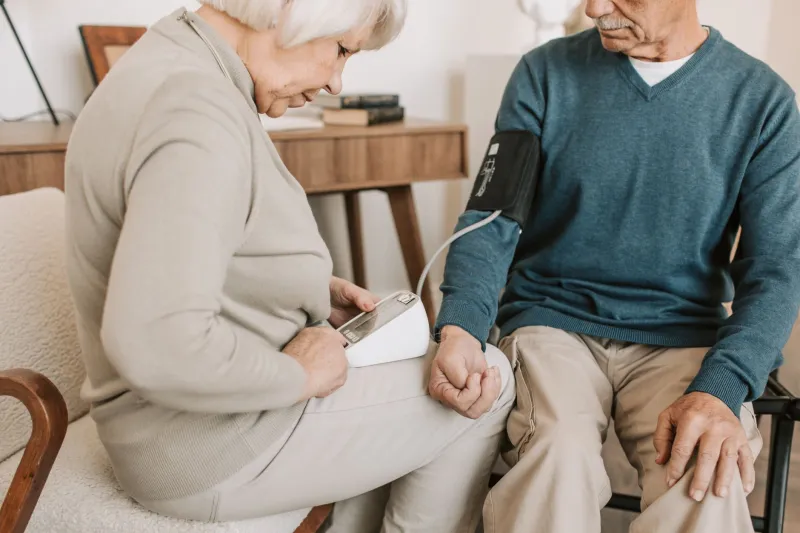
If you have a home blood pressure monitor, this is a good moment to use it — but not while you are still recovering. Wait until you have been sitting quietly for at least five minutes, with your back supported, feet flat and the cuff at heart level. Take two readings a minute apart and write them down. Do not check mid-ladder or immediately after carrying a box; that reading tells you about the effort, not your resting baseline.
What December does to your numbers
The festive season is not just one day. It is a run of late nights, salty snacks, extra alcohol, fewer walks and more time sitting in warm rooms. None of those things is a crime, and nobody is suggesting you spend Christmas with a spreadsheet. But they do stack up.
Salt is the obvious one. Crisps, pigs in blankets, stuffing, gravy and cheese boards can push intake up quickly. Alcohol can affect blood pressure and sleep quality. Caffeine after a late night can make a morning reading look higher than usual. And the cold weather means many of us move less than we do in summer.
That is why the loft-ladder moment is useful: it is a reminder to check your baseline in a quiet moment, not just when you are already flustered. A home monitor used consistently — same time of day, same arm, same conditions — gives you a far clearer picture than a single reading taken after a sprint up a ladder.
Natural support around the season
There is a lot of interest in natural approaches to blood pressure and blood sugar support, and for good reason. Many people want to feel they are doing something sensible alongside the basics: walking more, sleeping properly, eating a bit more colour and a bit less salt, and keeping an eye on their numbers.
Foods such as beetroot, leafy greens, beans and oats have plenty of supporters in the research literature, even if the effects are modest. Staying hydrated matters, especially if you are in and out of a warm house and a cold loft. And simple movement — a short walk after dinner, a few minutes on the stairs, a wander to the shops — can be more useful than an all-or-nothing gym plan.
Some people also look at supplements in this space, including products like Glycoforte, as a natural support option alongside a sensible diet and lifestyle. The important word is 'alongside'. No capsule replaces a GP review, prescribed medication or a proper check of your numbers. If you are taking blood pressure medication, check with a pharmacist before adding anything new, because interactions are real and worth respecting.
A calmer loft routine
If you are heading up to the hatch this week, make the job easier on your circulation. Clear a safe path, use a proper ladder, ask someone to spot you, and carry smaller loads. Breathe out as you lift rather than holding your breath. Pause at the top and bottom. Keep water nearby. And if you feel dizzy, sit down rather than pushing through.
It is also fine to delegate. Christmas decorations are not a fitness test, and nobody needs to prove anything to a box of tinsel.
When to get it checked
Most post-ladder breathlessness is ordinary. But seek medical advice if you notice chest pain, fainting, breathlessness that does not settle, a pounding heart that feels irregular or very fast, or repeated dizziness when changing position. NHS 111 can guide you if you are unsure, and 999 is for emergencies.
Otherwise, use the moment as a gentle prompt. Take a quiet reading, write it down, and compare it with how you feel over the next few days. The festive season is busy enough without turning your health into a project — but a five-minute check after the boxes are down is a small, sensible habit that fits neatly between the mince pies and the fairy lights.