Prove, Don't Guess: What Sourdough Starters Can Teach Us About Reading Our Own Health Numbers
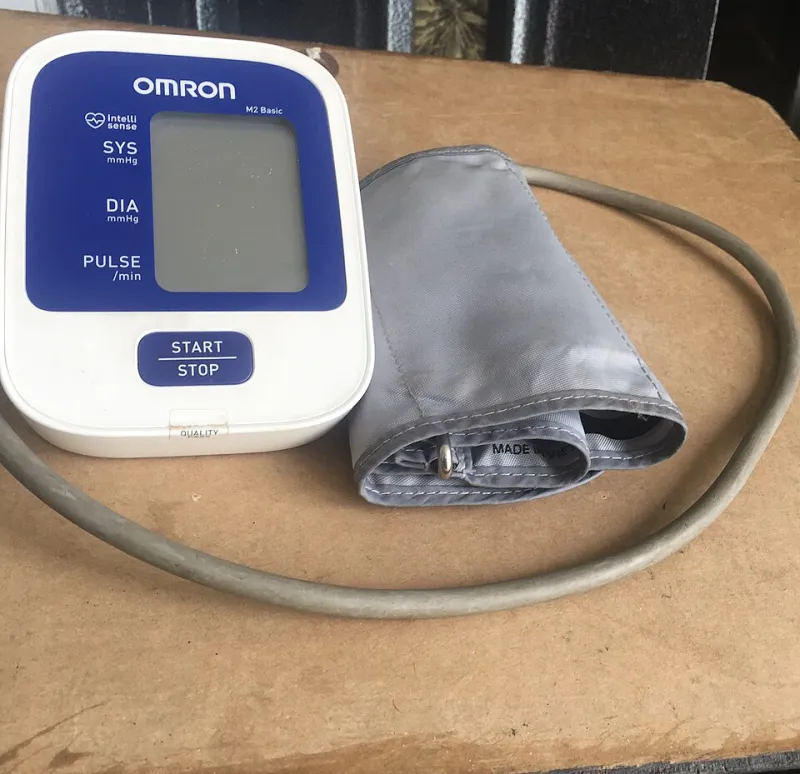
Photo: Beendy234, CC0, via Wikimedia Commons
There's a moment every baker recognises. You've followed the recipe, the dough has doubled, and yet something feels off. Is it ready? Is it over-proved? Should you trust the clock or your hands?
If you've ever stood in your kitchen at 6am poking a sourdough starter, you already understand something most people miss about health monitoring: single readings lie.
The Poke Test Problem
Bakers don't rely on one signal. They use the poke test, the float test, the look, the smell, the rise trajectory over hours. No single check is definitive — the judgement comes from patterns.
Now think about how most of us handle blood pressure. One cuff squeeze in a chemist, or a slightly alarming reading after a stressful commute, and suddenly we've diagnosed ourselves with a problem — or worse, dismissed a real one.
Research on home monitoring consistently shows that isolated readings are unreliable. Your blood pressure naturally swings by 20, 30, even 40 points across a day. White coat syndrome can add 10 points in a GP's office. A reading taken straight after a cup of builder's tea? Practically decorative.
Misread Signs, Wrong Interventions
The same trap applies to blood sugar. That post-lunch fog, the shakiness before dinner, the 3pm biscuit craving — these get blamed on everything from poor sleep to 'just getting older', when they may be your body flagging a glucose pattern worth understanding.
The mistake isn't measuring. It's acting on a snapshot instead of an album.
Common misreads include:
- Panicking over one high reading — often caused by caffeine, a full bladder, or talking during the measurement
- Dismissing consistently elevated readings because 'it was high last time too, so that's just my normal'
- Testing at random times rather than same time, same conditions, building a genuine baseline
- Confusing symptoms with causes — treating fatigue with more coffee instead of investigating why it happens
Build Your Own Proving Schedule
A baker proves dough at consistent temperature, for consistent time, and logs the results. Do the same with your numbers:
- Measure at the same times daily — morning before coffee, evening before tea
- Sit still for five minutes first, feet flat, arm supported at heart level
- Take two or three readings a minute apart and note the average
- Keep a simple log — paper or phone — for at least two weeks before drawing conclusions
Two weeks of honest data tells you more than two years of occasional, panicked spot-checks.
Where Daily Support Fits In
Here's the part worth saying plainly: monitoring tells you where you are; it doesn't change anything on its own. The intervention matters — and increasingly, Britons who can't get quick GP appointments are building layered routines: dietary tweaks, daily walks, better sleep, and natural daily supplements designed to support healthy blood pressure and blood sugar alongside these habits.
A quality natural supplement isn't a replacement for knowing your numbers — it's a companion to them. The people who get the most from any routine are the ones tracking consistently, because they can actually see whether what they're doing is working.
Trust the Pattern, Not the Poke
Your nan's starter survived decades because she read it patiently, daily, with context. Your health deserves the same respect.
Measure properly. Log honestly. Look for trends, not triggers. And when the pattern — not the single reading — suggests something needs supporting, support it deliberately: with lifestyle first, and with a considered natural routine alongside.
The dough, like your arteries, rewards patience over panic.