The Warped Baking Tray Theory: Why We Replace Our Kitchen Kit Faster Than We Check Our Numbers
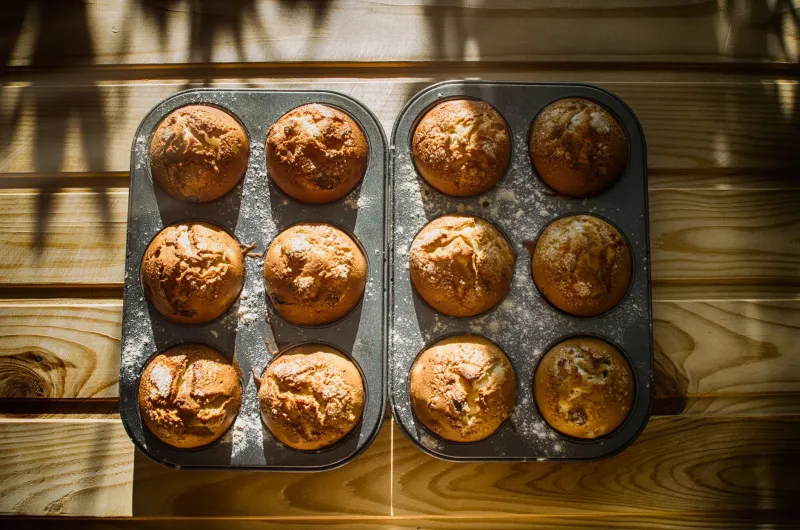
Go on, be honest. When did you last look at the bottom of your baking tray?
If you're like most of us, there's one in the cupboard right now with a slight lean to it, a caramelised patch that no amount of soaking will shift, and edges that have gone from silver to a sort of dignified grey. And yet — and here's the thing — when it finally warps beyond saving, you don't agonise over it. You don't put off the decision for three years. You notice, you sigh, you order a new one. Job done.
Now ask yourself: when did you last check your blood pressure? Your blood sugar?
If the answer to the kitchen question is more recent than the answer to the health one, you're in very good company. And it's worth asking why.
The Tray Gets Replaced. The Numbers Get Postponed.
There's a peculiar logic most of us run on without realising. When something in the kitchen stops performing — the tray bakes unevenly, the kettle takes an age, the fridge starts that ominous hum — we act. Quickly, decisively, often without telling anyone.
But when it comes to our own kit? The heart, the metabolism, the whole circulatory apparatus? We adopt a very different posture. We wait. We assume. We tell ourselves we'll "get it looked at" after the bank holiday, after the school run settles down, after Christmas.
Part of it is that a faulty tray gives you feedback. The biscuits burn on one side. The fault is visible, immediate, undeniably the tray's problem. Your blood pressure, by contrast, is famously silent. It doesn't burn anything. It doesn't hum. It can run high for years while you're cheerfully replacing kitchen equipment around it.
Why Monitoring Feels Like a Chore (And Shouldn't)
There's also a psychological wrinkle. Replacing a tray costs you £15 and zero emotional energy. Checking your numbers can feel loaded — what if the reading isn't what you hoped? Better not to look, the brain whispers, than to look and feel bad.
But here's the reframe worth sitting with: a reading isn't a verdict. It's feedback. Exactly like noticing your tray has gone uneven. It's information about how things are running, gathered early enough to do something about it. Nobody feels judged by a wonky tray; they just adjust the oven or buy a new one.
Home monitors have made this easier than ever. A cuff at home, a simple glucometer if you're keeping an eye on blood sugar — these are the kitchen scales of health. Tools, not exams.
The Kitchen Calendar System
So how do you make monitoring feel less like a medical appointment and more like a household habit? Borrow the logic of the kitchen rota.
Pick a natural anchor. Don't rely on remembering — attach readings to something you already do. First Sunday of the month, before the roast goes in. Kettle-on-Sunday-morning, cuff-on-after. Anchoring beats willpower every time.
Write it where you write everything else. The back of the shopping list pad. The family wall calendar next to the bin collection dates. A note on the fridge. If your dentist appointments live there, your readings can too. No apps required — a biro works perfectly well.
Track the trend, not the single number. One high reading after a stressful week means about as much as one burnt tray of scones. What matters is the pattern across a few months. Is it drifting up? Steady? Improving since you started walking the long way to the shops? The trend tells the story.
Pair it with an existing habit you're already working on. If you've been upping your beetroot intake, or swapping the meal deal for something homemade, your monthly reading becomes the receipt. It closes the loop between effort and outcome — which is precisely the motivation most of us are missing.
Do the same for the cupboard. While you're at it, make the calendar do double duty: check the use-by dates in the spice rack, glance at the tray situation, and take your reading. One five-minute monthly ritual covering the whole domestic operation.
Small Kit, Big Difference
There's a reason the British kitchen has quietly become a place of self-sufficiency — sourdough starters, air fryers, grow-your-own herbs on the windowsill. We like tools that let us take care of things ourselves, on our own schedule, without needing to ask permission.
A blood pressure cuff belongs in that tradition. So does a simple habit of writing the numbers down. And for those looking to give their routine a bit of extra support alongside diet and movement — the way some of us swear by a good cast-iron pan — plenty of UK shoppers are exploring natural supplements designed with blood pressure and blood sugar in mind, Glycoforte among them.
The tray gets replaced the moment it lets you down. Your numbers deserve at least the same attention — and unlike the tray, they'll reward you for looking.
This article is for general information only and isn't a substitute for advice from your GP or pharmacist. If you have concerns about your blood pressure or blood sugar, speak to a healthcare professional.