After the Plates Are Cleared: The Evening Nibble That Shows Up in Your Morning Readings
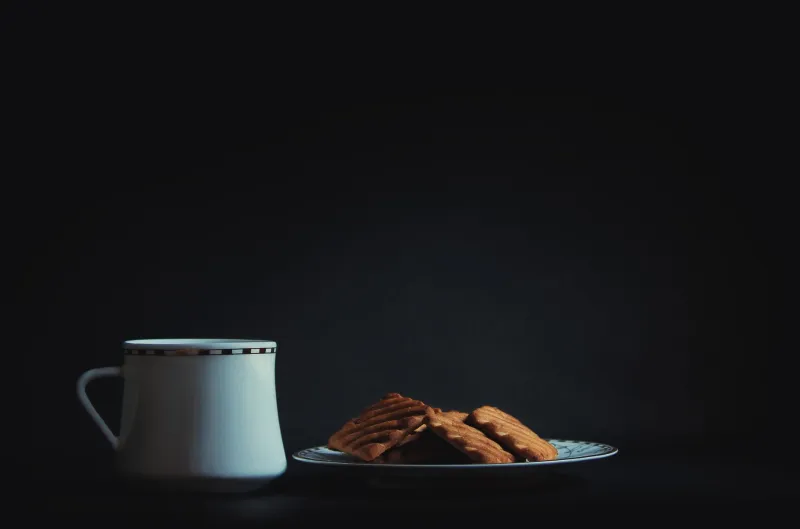
It is 9pm. The plates are cleared, the telly is on, and the kitchen light is still glowing. You are not hungry, not really. But the biscuit tin is there. So is the bread bin, the crisp cupboard, the leftover bit of chocolate from the weekend. This is the hour that quietly shapes your morning blood sugar and blood pressure readings, and most of us never give it a second thought.
At BloodPressureGlycoforte UK, we talk a lot about salt, stress, sleep and steps. The 9pm kitchen light deserves a place on that list too. It is not about guilt or being perfect. It is about noticing a habit that has slipped under the radar.
Why the Evening Kitchen Light Matters
Your body is not the same machine at 9pm as it is at 9am. Insulin sensitivity tends to be lower later in the day, and your blood pressure should be beginning its natural overnight dip. A late snack can keep your digestive system working when it should be winding down. It can also nudge your morning readings in ways you might blame on bad luck, a bad cuff or just getting older.
There is also the environment to consider. The kitchen light is a cue. The telly is a cue. The comfy chair is a cue. Before you know it, the hand is in the tin and the mind is still on the drama. This is why late-night grazing is such a blind spot: it rarely feels like a decision. It feels like the background music of the evening.
The Biscuit Tin Arithmetic
One digestive biscuit with a cuppa does not sound like much. Two does not sound like much either. But a couple of biscuits, a handful of crisps, a slice of toast and a hot chocolate can add up to a second small meal, often heavy on sugar, salt and refined carbs. Salt is the one to watch for blood pressure. Sugar and refined starch are the ones to watch for blood sugar. And the habit is often not about hunger at all. It is about the telly, the end of the day, the reward, the pause.
This is the telly tax. It is paid in small instalments, which is exactly why it is easy to miss. A packet of crisps is gone before the first advert break. A slice of toast is made standing up. A handful of cereal is eaten from the box. None of it feels like a meal, so it does not get counted. But your body counts it.
What Your Morning Reading Is Trying to Tell You
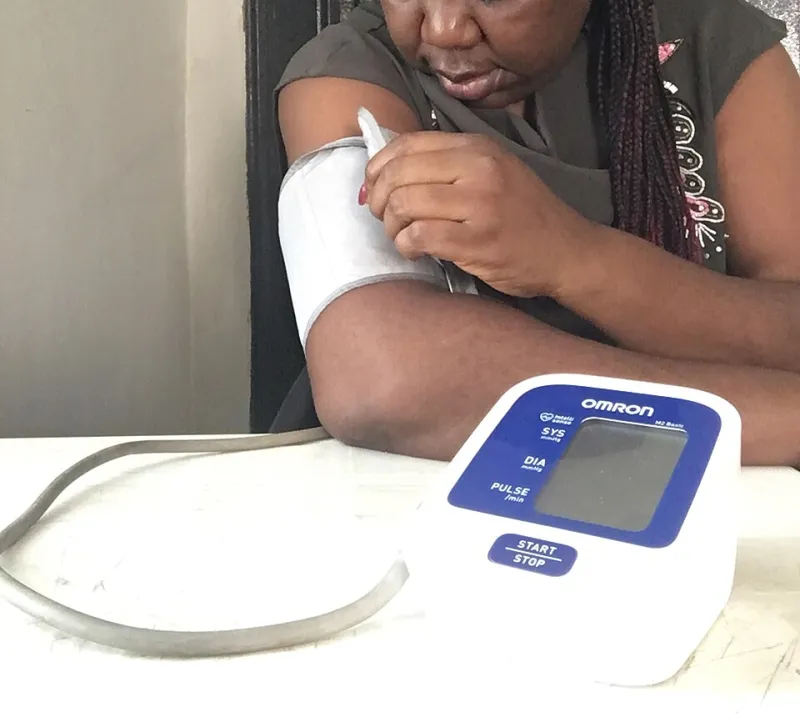
If you check your blood pressure at home, you may have noticed that your morning numbers are not always the same. Blood pressure has a natural morning rise, and what happened the night before can be part of the picture. Blood sugar readings taken before breakfast can also reflect what happened the night before. You cannot prove cause from one reading. But a two-week pattern is far more useful than a single number.
This is not about blaming every high reading on a Hobnob. Medication, stress, sleep, alcohol, illness and many other things matter. But if your evening routine is regular and your morning numbers are creeping, it is worth looking at the hour before bed.
Run a Two-Week Evening Kitchen Audit
This is not a diet. It is a detective exercise. Keep it simple.
Week one: change nothing. Keep a small notebook or a note on your phone. Each evening, record the time you ate, what you ate, how hungry you were from 1 to 5, and what you were doing. Were you watching telly? Feeling bored? Stressed? Just passing through the kitchen? If you monitor your blood pressure or blood sugar, jot down your morning reading before breakfast.
Take a photo of your kitchen counter at 9pm. Is the biscuit tin out? Is the bread bin open? Is the crisp packet already on the side? The environment is part of the habit.
Week two: change one thing. Move the tin to a cupboard. Set a kitchen curfew. Brush your teeth earlier. Swap one usual snack for something planned. Compare your notes. You are looking for patterns, not perfection.
Realistic Swaps for the Usual Suspects
You do not need to give up every treat. You need a few swaps that do not feel like punishment.
- Biscuits: try two plain oatcakes or a small pot of Greek yoghurt with berries. If you really want a biscuit, have one, sit down, and put the tin away afterwards.
- Crisps: a small bowl of plain popcorn or cucumber sticks with hummus. If it is the crunch you want, make the crunch a portion, not a whole packet.
- White toast: half a slice of wholemeal toast with a boiled egg or a little peanut butter. Protein and fibre tend to be more filling than white bread on its own.
- Sugary cereal: keep it for breakfast if you love it, but make it a measured bowl rather than a handful from the box at 10pm.
- Hot chocolate: a lower-sugar cocoa or a warm milky drink without the added sugar.
- Cheese and crackers: a smaller portion, with apple slices or grapes, and a glass of water.
The best swap is the one you will actually repeat. A perfect plan you ignore is less useful than a small change you keep.
The Kitchen Curfew Trick
Try a simple kitchen curfew. Pick a time, and 9pm is a good start. Turn the kitchen light off. Brush your teeth. Leave the room. The point is not to go hungry. If you are genuinely hungry, eat something small and planned. The point is to break the automatic hand-to-tin loop.
You might find the first three nights annoying. You might also find that your morning reading is a little less mysterious. Many readers tell us the 9pm hour was the missing piece because it never looked like a health habit at all.
Where Glycoforte Fits Alongside Better Evening Habits
Better evening routines are the foundation. But if you are looking for natural support alongside those changes, Glycoforte is a daily supplement formulated for healthy blood pressure and blood sugar support. It is not a replacement for a balanced diet, movement, sleep or your GP's advice. It is a practical extra for people who want to take a more proactive approach.
If you are ready to stop guessing and start supporting your numbers from both ends of the day, you can read more at bloodpressureglycoforte.uk. Do not wait for your next check-up to pay attention to the 9pm hour. Small evening changes can add up faster than you think.
A Small Hour, A Meaningful Difference
Your evening routine does not need a complete overhaul. Start with the kitchen light. Notice what happens. Then make one swap, one curfew, one small change. Your morning readings may thank you, and your evenings may feel a little less automatic too.