Beetroot, Garlic and a Splash of Vinegar: The Old Kitchen Remedies Modern Science Actually Rates
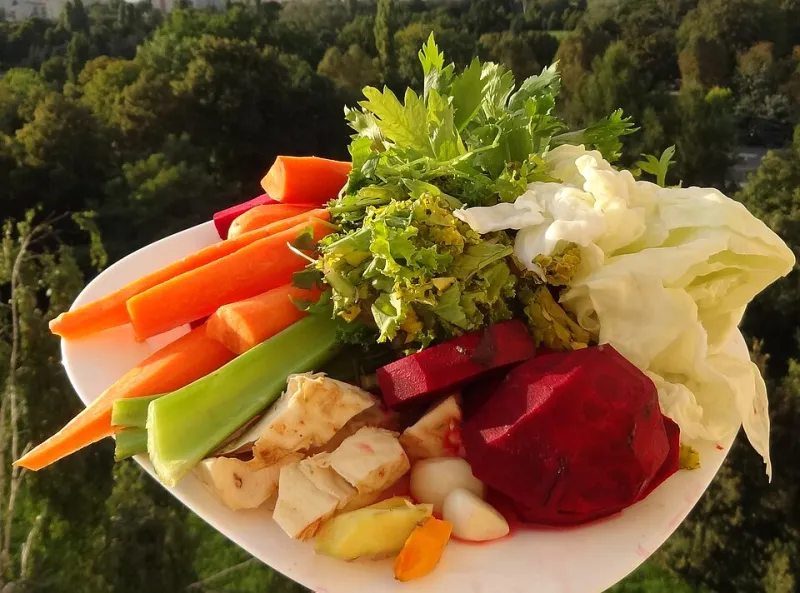
Photo: Ivonna Nowicka, CC BY-SA 4.0, via Wikimedia Commons
Every British family has one. The nan who diluted vinegar for everything. The grandad who ate a raw clove of garlic every morning and swore it was why he'd see off ninety years.
We rolled our eyes. And then, quietly, researchers started finding that some of it actually holds up. Here are six old-fashioned remedies with genuine science behind them — and realistic ways to use them today.
1. Beetroot Juice
The folk history: Post-war allotment gardeners prized beetroot for 'building the blood'. Athletes in the 2010s rediscovered it before anyone connected it to blood pressure.
The science: Beetroot is rich in dietary nitrates, which the body converts to nitric oxide — a compound that helps blood vessels relax and widen. Several clinical trials have shown meaningful reductions in blood pressure from daily beetroot juice, with effects appearing within hours.
Today: A small glass of beetroot juice a few times a week, or roasted beetroot in salads. Fair warning: it stains everything, including, alarmingly, certain bodily outputs. Don't panic.
2. Garlic
The folk history: The Mediterranean grandad special. Garlic was rubbed on everything from bread to chests during cold season.
The science: Garlic contains allicin, and pooled analyses of trials suggest modest but real blood pressure reductions, particularly in people with elevated readings. There's also emerging research on garlic and blood sugar regulation.
Today: Crush or chop it and let it rest for ten minutes before cooking — heat deactivates the enzymes that create allicin. Raw in dressings is the strongest option; supplements are the pragmatic alternative.
3. Apple Cider Vinegar
The folk history: The village remedy for everything from sore throats to warts. Diluted in water, taken religiously each morning.
The science: The most credible findings relate to blood sugar — studies suggest vinegar taken with carbohydrate-rich meals can blunt post-meal glucose spikes, likely by slowing stomach emptying and starch absorption. Blood pressure claims are weaker.
Today: A teaspoon in a glass of water before or with meals. Never neat — it's rough on tooth enamel and the oesophagus.
4. Cinnamon
The folk history: Less a British staple than a baking one — the stuff of rice pudding and hot cross buns.
The science: Research on cinnamon and fasting blood sugar shows modest improvements in some studies, though results are mixed and doses matter. Ceylon cinnamon is preferred over cassia for regular use.
Today: A teaspoon in porridge or coffee. It's a supporting act, not a lead one.
5. Blackcurrant
The folk history: Ribena childhoods. During WWII, blackcurrant syrup was distributed to British children as a vitamin C source when oranges were scarce.
The science: Blackcurrants are packed with anthocyanins — plant compounds linked in research to improved circulation, reduced inflammation and support for healthy blood flow. Some studies also point to benefits for blood sugar response.
Today: Fresh, frozen in smoothies, or as a no-added-sugar cordial. The wartime generation was onto something.
6. Oats and the Humble Porridge Bow
The folk history: Scotland's national breakfast, long credited with keeping crofters going until dusk.
The science: Oats contain beta-glucan, a soluble fibre with an authorised UK/EU health claim for helping reduce cholesterol. Better cholesterol profiles support overall cardiovascular health, and oats help steady blood sugar too.
Today: Proper porridge oats, not the sugary instant sachets. Add your cinnamon. You've now stacked three remedies in one bowl.
The Honest Caveat
None of these are medicine, and none replace professional advice if your readings are consistently concerning. The effects are modest, gradual and work best as part of a bigger picture: movement, weight, sleep, less salt.
That's also why many people layer a quality natural supplement — one combining ingredients like beetroot extract, garlic and berry compounds — on top of the diet, rather than trying to juice beetroots into oblivion every morning.
Nan would probably say that's cheating. Nan also lived to ninety-four, so perhaps we should keep listening.