Steam, Sugar and the Walk Home: Rethinking the Christmas Market Cocoa

Photo by Photo by Rebecca Campbell on Unsplash on Unsplash
At a Christmas market in any British city in 2026, the scene is familiar: strings of lights, a choir doing its best with a Mariah Carey number, and a queue of people in scarves holding paper cups that steam into the cold air. The hot chocolate is part of the ritual. It warms your hands, gives you something to do while you wait for your turn at the stall, and makes the walk home feel a little more festive.
None of that is a problem in itself. The problem is what often happens next. One cocoa on the first market visit becomes a cocoa every time you pass the stall, then a cocoa after late-night shopping, then a cocoa on the sofa because the tin of drinking chocolate is in the cupboard. Liquid sugar is easy to overlook because it does not feel like eating. It slips down quickly, it does not fill you up in the same way as a mince pie, and it can land in your bloodstream faster than a plate of food would.
The cup that punches above its weight
A standard hot chocolate made at home with milk and a spoon of cocoa is a very different drink from a large market cocoa with syrup, whipped cream, marshmallows and a drizzle of something caramel-flavoured. The first is a warm drink. The second is closer to a dessert in a cup.
That matters for anyone watching blood sugar, and it matters for anyone who has been told they are at risk of type 2 diabetes. The UK guidance on free sugars is around 30g a day for adults, and a large festive cocoa with several extras can make a serious dent in that figure in one go. You do not need to memorise numbers to get the point. If the drink tastes like a pudding, treat it like one.
Timing matters more than the treat itself
A hot chocolate at 3pm on a Saturday, while you are walking around a market, is not the same as a hot chocolate at 9pm on the sofa after a day of sitting. Afternoon activity gives your body something to do with the sugar. Evening drinking, especially after a heavy meal and before bed, can leave your levels higher for longer.
That does not mean you can never have an evening cocoa. It means the occasion should be the occasion. If you are at the market, have the market drink. If you are at home on a Tuesday, a smaller homemade version is probably a better fit. The habit creep is what catches people out, not the occasional cup.
How to order a kinder cocoa
You do not have to become the person who asks for an oat milk hot water with a sad look. A few small choices can make a real difference:
- Go for a small or medium rather than a large. The cup size is often the biggest lever.
- Ask for no syrup, or half the syrup. Many market stalls add it by default.
- Skip the whipped cream and marshmallows if you are having it regularly. Have them when it is a proper treat.
- Choose a plain cocoa or dark chocolate option if the stall has one. It will usually be less sweet.
- Drink it slowly. A hot drink that lasts 20 minutes is more satisfying than one that disappears in five.
- Pair it with something containing protein or fibre if you are having it as an afternoon snack — a handful of nuts, for example, rather than a second pastry.
The walk home is part of the ritual
One of the underrated advantages of a Christmas market cocoa is that you usually drink it while walking. That is good news. A gentle walk after a sugary drink helps your body handle the glucose load. It is not a free pass, but it is a useful part of the picture.
If you are heading home on the bus, consider getting off a stop earlier. If you are driving, park a little further away. These small additions fit the season better than a strict plan that collapses the moment it rains.
What your readings can and cannot tell you
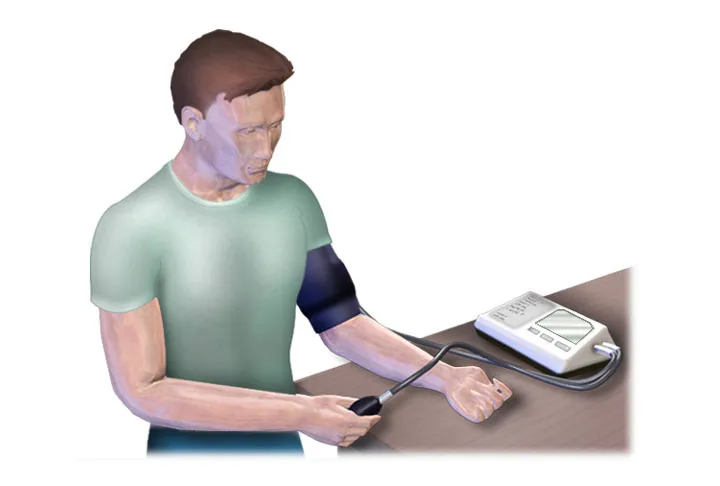
If you track your blood sugar or blood pressure at home, do not judge a single cup of cocoa by a single reading. Blood sugar responds to sleep, stress, illness, activity and the whole meal, not just the drink. What you are looking for is a pattern. Are your evening readings creeping up over December? Are you having a cocoa most days without really noticing? That is the useful signal.
If you are considering natural support alongside lifestyle changes, products such as Glycoforte are aimed at people who want to support healthy blood pressure and blood sugar. They are not a medicine and not a replacement for prescribed treatment. Think of them as part of a broader routine, not a reason to ignore the sugar in the cup.
The take-home
A Christmas market hot chocolate is not the enemy. A daily habit of large, syrup-heavy, cream-topped cocoas is worth noticing. Enjoy the one in your glove, walk home with it, and let the ordinary Tuesday cup be a smaller, simpler thing. That is how traditions stay enjoyable without quietly becoming a blood sugar problem.