The Second Shelf: Inside Britain's Quiet Bathroom Cabinet Revolution
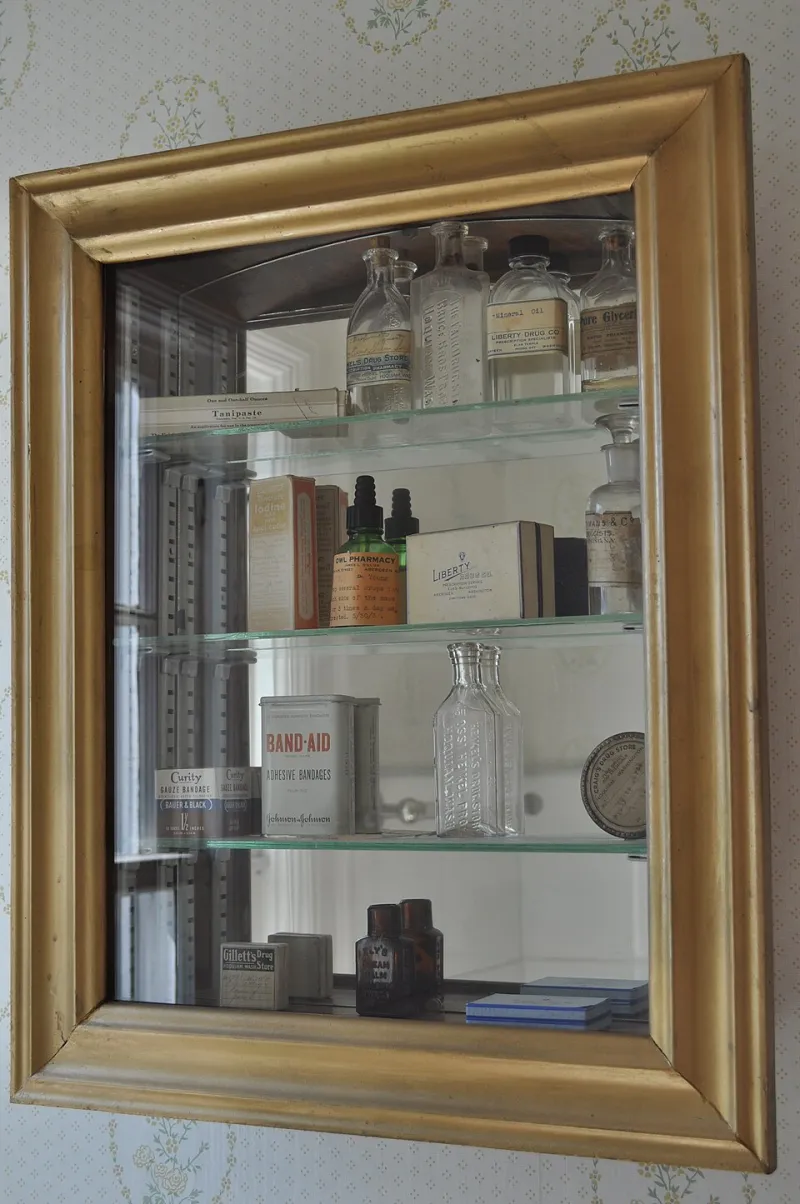
Photo: Joe Mabel, CC BY-SA 3.0, via Wikimedia Commons
Ask to see the bathroom cabinet of a typical British fifty-something these days and you'll notice something has changed. Top shelf: the GP-issued lineup — statins, ramipril, metformin, whatever the NHS has decided you need. Bottom shelf, or sometimes spilling onto the windowsill: a second, self-appointed collection. Omega-3s. Magnesium. Beetroot capsules. Something with 'glyco' in the name.
This is the 'second shelf' — and it's quietly becoming one of the defining health habits of Britain's over-50s.
How We Got Here
The drivers aren't mysterious. Getting a GP appointment has become a competitive sport, so people are taking more ownership of their own numbers — many now own a blood pressure cuff and a glucose monitor the way their parents owned a set of bathroom scales. Meanwhile, the wellness aisle has grown from a corner of Holland & Barrett into entire supermarket aisles and a thousand targeted ads.
There's also a generational shift in attitude. This is a cohort that watched their parents manage declining health reactively and has decided, reasonably, to try something more proactive. The statin stays — almost nobody on the second shelf is anti-medicine — but the statin is no longer the whole strategy.
What Sensible Pairing Looks Like
The phrase doing the rounds in these circles is 'prescription plus' — prescribed medication doing the heavy lifting, with lifestyle and supplements as supporting cast. Done sensibly, that looks like this:
- The medication stays untouched. Nothing on the second shelf replaces a prescription. Ever.
- One change at a time. Adding three new supplements in a week makes it impossible to know what's doing what — or what's causing that odd headache.
- The pharmacist gets told. Pharmacists are the most underused resource in British healthcare. They can spot interactions — garlic and blood thinners, for instance, or licorice root and blood pressure meds — in about ninety seconds.
- The numbers get tracked. If your home cuff readings don't budge in three months, that's data too.
The Questions Worth Asking
Before anything joins the second shelf, four questions:
- What does the evidence actually say — human trials, or marketing copy?
- Does it interact with what I'm already taking?
- Who makes it, and is the dosing transparent?
- What would 'it's working' look like, measurably?
That fourth question matters most. The supplement industry's weakest point isn't safety — it's vagueness. If a product can't tell you what success looks like, be wary.
Where Glycoforte Fits In
It's against this backdrop that products like Glycoforte have found their audience in the UK. Aimed squarely at the over-50s managing both blood pressure and blood sugar, it combines plant-derived ingredients — the sort with individual research behind them — into a single daily routine. The positioning is honest about what it is: a complement to the doctor's advice and a sensible diet, not an alternative to either.
What's notable is who buys it. These aren't wellness tourists. They're people who already walk the dog, already watch the salt, already own the cuff — and want a targeted addition to an established routine. That's the second shelf working exactly as intended.
The Bottom Line
The second shelf isn't a rebellion against medicine; it's an extension of self-care around it. The Brits doing this well treat their bathroom cabinet like a small portfolio: prescribed essentials, evidence-backed additions, regular reviews, and no room for anything that can't justify its place.
Keep the statin. Keep the beetroot. Tell your pharmacist everything. And if a product can't answer the four questions above, it doesn't get shelf space — second or otherwise.