The Quiet Appointment: Why Your Pre-Christmas Blood Pressure Check Beats a January Resolution
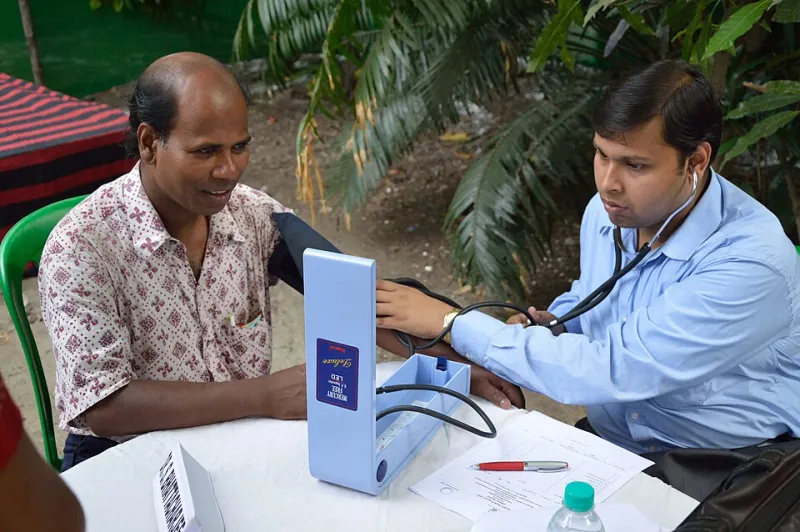
Photo: Biswarup Ganguly, CC BY 3.0, via Wikimedia Commons
By mid-November 2026, the Christmas adverts are already doing their thing. The diary is starting to fill, the inbox is getting festive, and the GP surgery is quietly bracing itself for another winter. This is exactly why the next few weeks are the smartest window for a blood pressure check. Not because Christmas is dangerous. Because January is busy, December is disruptive, and a baseline taken before the baubles go up is more useful than a reading taken after three weeks of late nights and leftover trifle.
Why the pre-Christmas window is different
The NHS is under pressure every winter. Appointments fill faster, routine reviews slip and people put off checks because they are busy or because they feel fine. That combination creates a predictable bottleneck in January. If you already know your blood pressure needs watching, or you have not had it checked for a while, booking now is a practical move. It is also a calmer one. You are more likely to remember your medication list and less likely to be rushing from a car park with a trolley full of presents.
What a baseline actually gives you
A baseline is not a verdict. It is a reference point. One reading in a GP surgery is useful, but a small set of home readings taken over a normal week is better. A pre-Christmas baseline lets you see what your numbers look like before the festive routine changes your sleep, salt intake, alcohol intake and exercise. If January brings a higher reading, you will have something to compare it with. If your numbers are already high, you can act earlier rather than spending the festive period wondering. That is not scaremongering. It is just better information.
The NHS is not the only door
In the UK, you can ask your GP surgery about a blood pressure check, and practice nurses often carry them out. Many pharmacies offer checks, sometimes for a small fee, and home monitors are widely available. If you are aged 40 to 74 in England, you may be invited for an NHS Health Check every five years, which includes blood pressure. The rules and availability vary across the UK, so ask what is local to you. The point is not to create a queue for the sake of it. It is to use the door that is open before the winter list gets longer.
What to bring to the appointment
Bring a list of your medicines, including anything you buy over the counter. Bring a few home readings if you have them, with the date and time. Mention symptoms such as dizziness, headaches, breathlessness or chest pain, and mention if you have diabetes, kidney disease or a family history of high blood pressure. Avoid caffeine, smoking and heavy exercise for 30 minutes before the check if you can. Sit quietly for five minutes beforehand. Ask what your number means for you, rather than comparing it with a neighbour's. And if you use a home monitor, take it with you so the practice can check it against theirs.
The festive routine problem
Christmas is not a moral test. It is a routine change. Saltier food, more alcohol, later nights, travel, visitors and missed medication can all nudge blood pressure upwards. A pre-Christmas check does not mean you have to spend December saying no to everything. It means you can plan. You can decide where the salty snacks live, keep a glass of water beside the wine, set a reminder for your tablets and protect a few walks. A baseline makes those choices feel less like guesswork.
Home monitoring without becoming a cuff obsessive
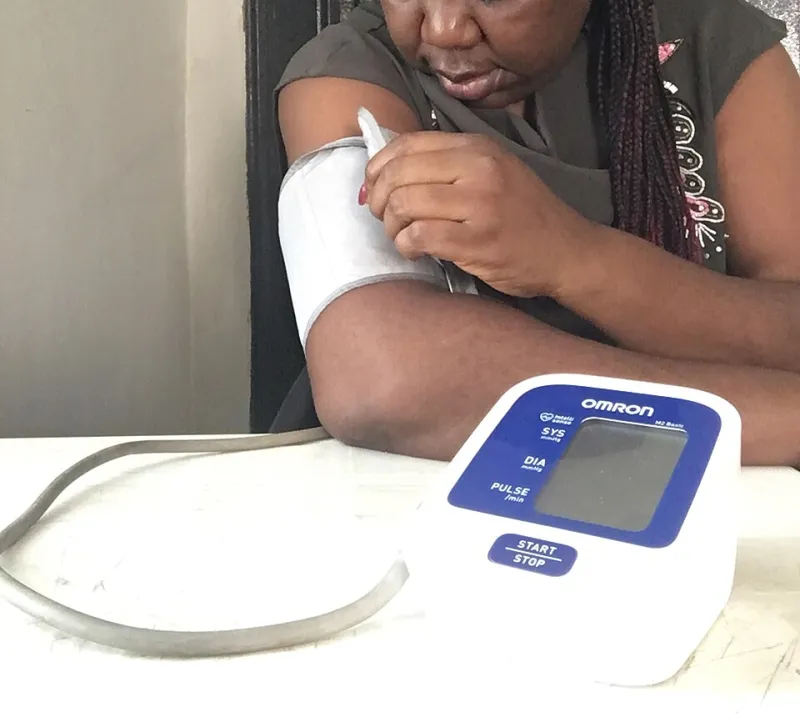
If you monitor at home, keep it simple. Use a validated upper-arm cuff, sit with your back supported and feet flat, and rest for five minutes. Take two readings a minute apart, morning and evening, for a week. Do not take a reading straight after coffee, a stressful phone call or a supermarket sweep. Write the numbers down or use a log. If your readings are consistently high, or your GP has given you a target, follow their advice. One odd reading is not a crisis. A pattern is more useful than a panic.
Natural support reminders
Natural support products such as Glycoforte can sit alongside a sensible routine, but they are not a substitute for a check, medication or monitoring. If you are considering one, read the label, check the dose and speak to a pharmacist if you take prescribed medicine. The same goes for beetroot, garlic and magnesium. They can be reasonable additions for some people, but they do not replace the basics.
The January resolution is easier with a December number
January resolutions often fail because they start with a guess. A pre-Christmas check gives you a real number, a comparison and a conversation. It is a quiet appointment, not a dramatic one. Book it before the baubles, before the diary closes and before the January rush. Your future self, standing on the scales with a mince pie in hand, will thank you for the baseline.